
Liability coverage is an important part of homeowners insurance that can help protect you financially if you are legally responsible for injuring someone or accidentally damaging another person’s property.
What Does Liability Coverage Mean?
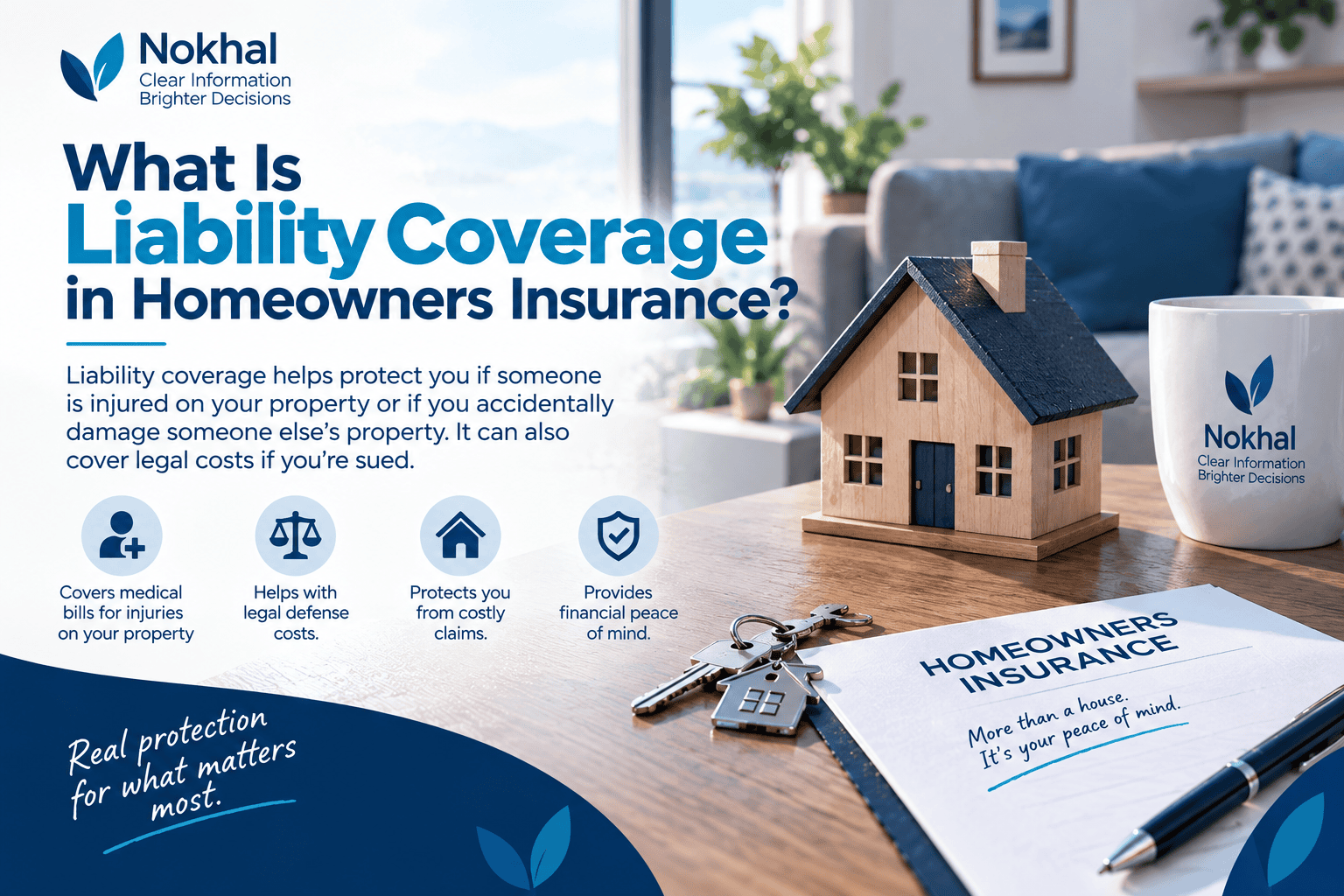
Liability coverage is the part of a homeowners insurance policy that can protect you when you are legally responsible for bodily injury or property damage suffered by another person.
For example, if a visitor is injured on your property and you are legally responsible for the accident, liability coverage may help pay covered costs associated with the claim, including legal defense expenses and damages awarded by a court, subject to the policy’s terms and limits.
This coverage is not limited to accidents that happen inside your house. Depending on the policy, liability protection can also apply to certain incidents involving you, members of your household or your pets.
What Can Liability Coverage Help Pay For?
One of the main purposes of liability coverage is to help protect you from the financial consequences of covered claims made by other people.
If you are sued because someone claims that you caused bodily injury or property damage, the liability portion of your policy may help pay the cost of defending you in court, as well as covered damages for which you are legally responsible, up to the policy limit.
Liability coverage can also apply to accidental damage caused by a household member or pet. For instance, if a family member accidentally damages a neighbor’s property, the policy may provide coverage depending on the circumstances and policy terms.
Liability Coverage and Medical Payments
Homeowners insurance can also include medical payments coverage for certain injuries suffered by guests or other people who are not insured under the policy.
Medical payments coverage is different from liability coverage. It can help pay reasonable medical expenses for an injured guest without requiring the person to establish that you were legally responsible for the injury.
For example, if a friend trips while visiting your home and needs medical treatment, the medical payments portion of the policy may help with eligible medical expenses, subject to the applicable limit and policy terms.
Liability Coverage Protects Against Certain Claims From Others
Liability coverage is designed to help protect your finances when you are legally responsible for covered bodily injury or property damage involving another person. It may also help with legal defense costs, while separate medical payments coverage can help with certain injuries to guests regardless of fault.
How Much Liability Coverage Do You Need?
The liability limit is the maximum amount the insurer will generally pay for covered liability claims under the applicable policy provisions. Homeowners policies can offer different limits, so it is important to check the declarations page to see the amount included in your policy.
The Insurance Information Institute notes that liability limits commonly start around $100,000, while higher limits may be available. The appropriate amount depends on factors such as your circumstances, assets and the level of financial protection you want to purchase.
Some homeowners may also consider an umbrella or excess liability policy. These policies can provide additional liability limits above the underlying homeowners or auto insurance coverage, subject to their own terms and requirements.
What Liability Coverage Usually Does Not Mean
Liability coverage is not the same as coverage for damage to your own home or belongings. Dwelling coverage generally addresses the physical structure of the home, while personal property coverage addresses covered damage or loss involving your belongings.
Liability coverage also does not mean that every accident or lawsuit will automatically be covered. Exclusions, conditions, definitions and policy limits determine whether a particular claim qualifies for coverage.