
Travel insurance can provide protection against certain medical emergencies that happen while you are outside your home country. However, the type of medical care covered depends on the policy, destination, exclusions, and coverage limits.
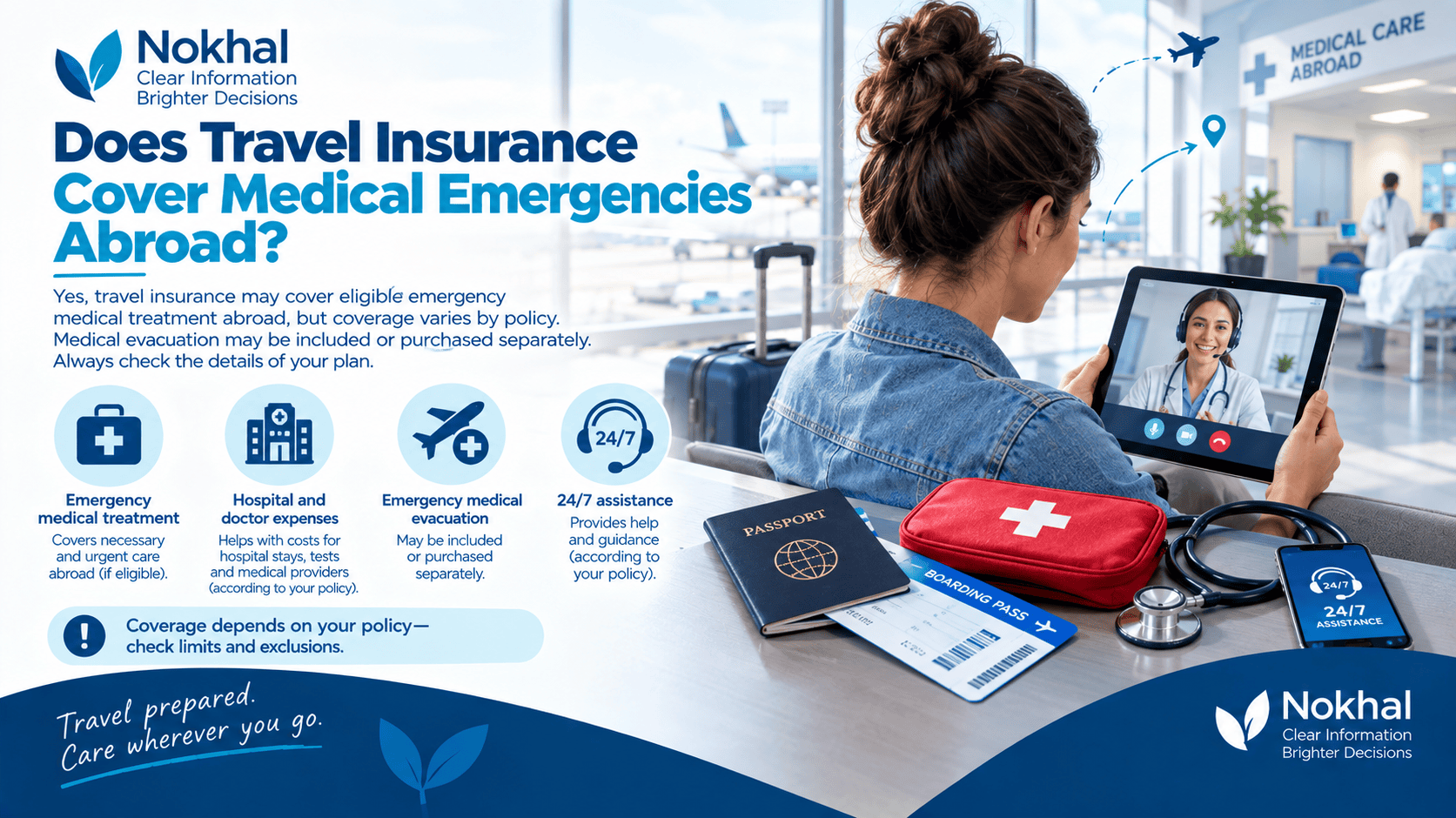
Does Travel Insurance Cover Medical Emergencies Abroad?
Yes, some travel insurance policies can cover medical emergencies abroad. Travel medical insurance is designed to help cover eligible medical expenses when you become sick or injured while traveling, subject to the policy’s terms and conditions.
The U.S. Department of State recommends checking whether your existing health insurance provides coverage outside the United States and considering travel health insurance if it does not. Travel health insurance can provide coverage for emergency medical care while abroad.
Coverage can vary considerably between policies. Before purchasing a plan, travelers should review the countries covered, the duration of coverage, emergency medical benefits, exclusions, and any requirements for receiving treatment.
In some destinations, hospitals or doctors may require payment before treatment or admission. Travelers should understand whether their insurance company pays providers directly or requires the traveler to pay first and request reimbursement later.
What Medical Expenses Can Be Covered?
The specific benefits depend on the travel insurance policy. However, travel medical coverage can be designed to address certain unexpected medical expenses that occur during a trip.
Emergency doctor visits: A policy may cover eligible treatment when a traveler becomes unexpectedly ill or injured.
Hospital care: Some policies can help cover eligible hospitalization and related medical expenses resulting from a covered emergency.
Emergency medical transportation: Certain policies include transportation to an appropriate medical facility when medically necessary.
Medical evacuation: Some travel insurance plans provide separate coverage for transporting a seriously ill or injured traveler to an appropriate facility or, when covered and medically necessary, back to the traveler’s home country.
What May Not Be Covered?
Travel medical insurance does not necessarily cover every medical situation. Policies commonly contain exclusions, conditions, benefit limits, and requirements that determine whether a claim is eligible.
| Situation | What to Check |
|---|---|
| Pre-existing conditions | Check whether the policy covers existing medical conditions and under what conditions. |
| Routine care | Routine or non-emergency treatment may have different coverage rules. |
| High-risk activities | Check whether activities such as certain adventure sports are included or excluded. |
| Coverage limits | Review maximum benefit amounts, deductibles, and other cost-sharing requirements. |
| Excluded destinations | Make sure the countries and regions on your itinerary are covered by the policy. |
The U.S. Department of State specifically recommends checking whether a policy covers current medical conditions and activities you plan to participate in, as well as confirming that the policy is valid in the countries you intend to visit.
Travel Medical Coverage Depends on the Policy
Travel insurance can cover eligible medical emergencies abroad, but coverage is not automatic for every situation. The policy determines which medical expenses are covered, the benefit limits, exclusions, and the procedures you must follow when seeking care.
How to Prepare for a Medical Emergency Abroad
Before traveling, check your existing health insurance to determine whether it provides coverage outside your home country. Do not assume that a domestic health plan will automatically cover medical treatment abroad.
If you purchase travel insurance, verify that the policy includes emergency medical care and, when appropriate for your trip, medical evacuation. The U.S. Department of State recommends reviewing both types of coverage before international travel.
Keep your insurance policy information and the insurer’s emergency assistance phone number accessible during your trip. Some policies provide a 24-hour assistance line that can help travelers understand how to obtain covered care.
It is also important to research medical services at your destination. In some countries, healthcare providers may require payment or a deposit before providing treatment, and local healthcare systems may operate differently from those in your home country.
Medical evacuation deserves particular attention. Standard health insurance may cover some medical treatment abroad without covering the cost of transporting a seriously ill or injured traveler to another location. The Department of State notes that specialized medical evacuation can be very expensive, making dedicated evacuation coverage an important consideration for some international trips.