
An insurance claim is a formal request for payment or coverage after a covered event causes a loss. Understanding how claims work can help you know what to expect and what information you may need to provide.
What Is an Insurance Claim?
An insurance claim is a request made by an insured person or another eligible party asking an insurance company to provide payment or benefits for a loss covered by an insurance policy.
The loss could involve many different situations, depending on the type of insurance. For example, a driver may file a claim after a covered car accident, a homeowner may file one after covered property damage, or a health insurance claim may be submitted for eligible medical services.
Whether a claim is paid depends on the specific terms of the policy. The insurer generally reviews what happened, determines whether the loss is covered, and calculates the amount payable under the policy.
How Does the Insurance Claims Process Work?
The exact process varies by insurance type and by policy, but many claims follow a similar sequence:
- Report the loss: Contact your insurance company or agent and explain what happened. Policies may establish deadlines for reporting certain claims.
- Provide information: The insurer may request policy information, photographs, receipts, estimates, medical records, accident reports, or other documentation related to the loss.
- Investigation: The insurance company reviews the circumstances of the loss and may assign a claims adjuster to inspect damage, review documents, interview people, or gather additional information.
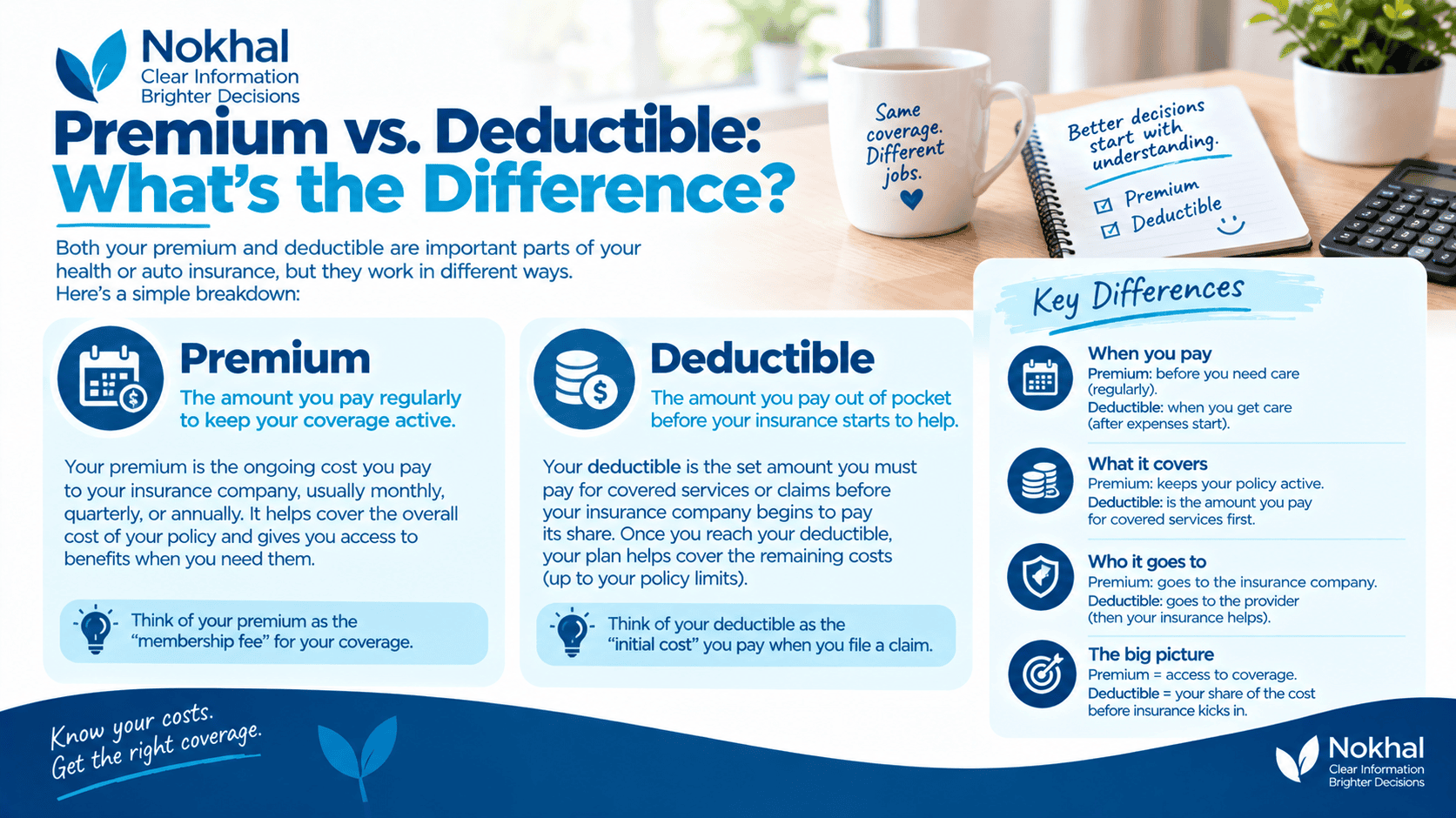
- Coverage decision: The insurer determines whether the policy covers the reported loss and applies the policy’s deductible, limits, exclusions, and other applicable terms.
- Settlement or payment: If the claim is covered, the insurer determines the amount payable according to the policy and applicable claim information.
Keeping copies of documents, photographs, receipts, estimates, and communications can make it easier to keep track of the claim throughout the process.
What Information May You Need to File a Claim?
The documents required depend on the type of claim and the insurance policy. Providing complete and accurate information can help the insurer evaluate the claim.
| Information | Examples |
|---|---|
| Policy details | Policy number, insurer, and coverage information |
| Details of the event | Date, location, circumstances, and description of what happened |
| Evidence of the loss | Photos, videos, receipts, repair estimates, or other records |
| Supporting reports | Police reports, medical records, or other documents when applicable |
For property losses, documenting damage before making permanent repairs can be especially important because an insurer may need to inspect the damage. Temporary measures to prevent further damage may also be appropriate, depending on the policy and circumstances.
A Claim Is a Request for Coverage
Filing an insurance claim does not automatically mean the insurer will pay the full amount requested. The claim must be evaluated according to the policy’s coverage, exclusions, deductibles, limits, and other applicable conditions.
What Happens After You File a Claim?
After a claim is reported, the insurer may assign a claims adjuster to investigate the loss. Depending on the situation, the adjuster may inspect damaged property, review documents, speak with the claimant or witnesses, and collect additional information.
The insurer then uses the investigation and the policy terms to determine the appropriate claim settlement. The amount paid can depend on factors such as the covered loss, deductible, policy limits, and applicable exclusions or conditions.
If you disagree with the way a claim is handled, review your policy for the applicable dispute or appeal process. You can also contact your state insurance department for consumer assistance when appropriate.
Throughout the process, it is useful to keep a written record of conversations, emails, documents submitted, estimates, receipts, and other claim-related information.